
Wilsdom African Designs
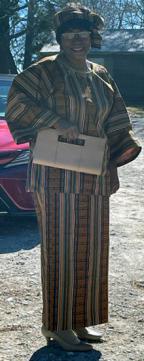

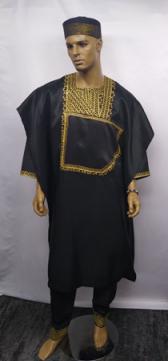
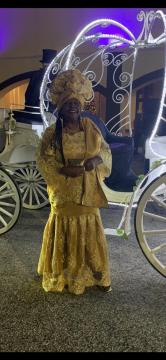

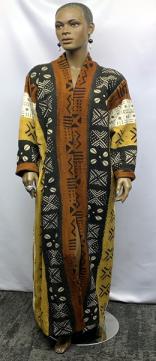
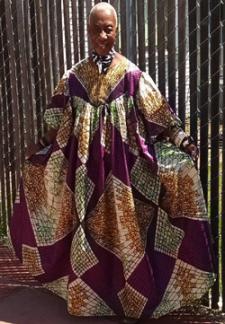
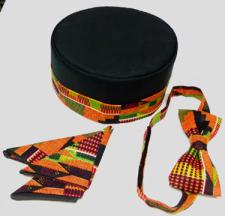
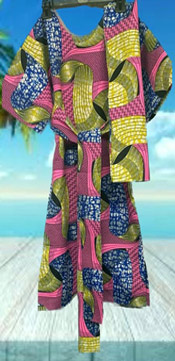
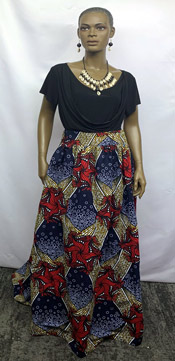
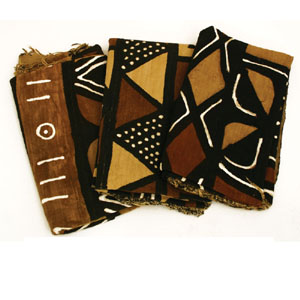
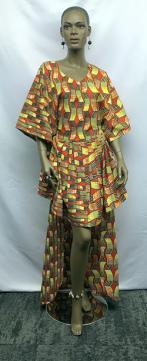
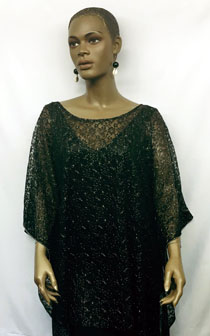
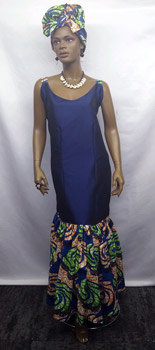
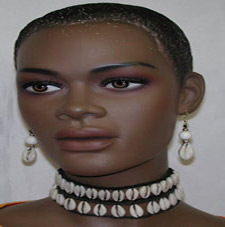
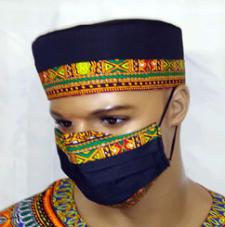
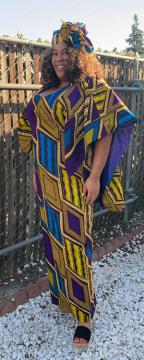
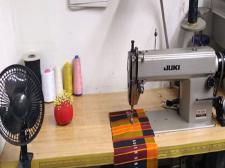
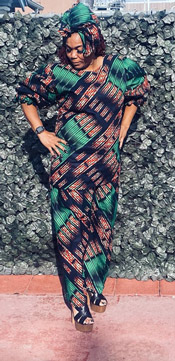 African Women Pants Set. Click Here
We are thrilled to introduce our latest collection of Elegance African Women Pants Set.

Payment By Gift Cards Accepted
Customer Testimonials
|
|
|
|
|
| We guarantee all our products, if not completely satisfied return it for either a full store exchange or credit. | Website is Powered By Christ |
Domestic & Inter. S/H |


Click Here To Join Our Wholesale Program
Wilsdom.com 2557 60th Avenue Oakland CA 94605
Phone: 510.636.9061 Fax: 510.636.0243 Copyright © 2023 (Wilsdom.com)
Contact us [email protected] In-Store Dress Fittings: By Appointment Only!
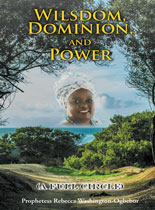
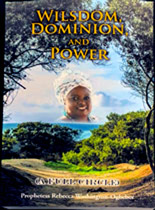
“Wilsdom, Dominion, and Power: (A Full Circle)”: an impactful study of a life lived
in determination and faith. “Wilsdom, Dominion, and Power: (A Full Circle)” is the
creation of published author Prophetess Rebecca Washington-Ogbebor.
Washington-Ogbebor shares, “Prophetess Rebecca W. Ogbebor was born in
Natchitoches, Louisiana, though raised in Oakland, California. She was ordained
into the ministry under the covering of Living Hope Gospel Ministries International.
She received the calling on her life well before that time, which sustained her as
she worked in that capacity through Wilsdom African Designs. The profound
knowledge bestowed upon her by God through the open visions and revelations
and dealing with his people has continuously led her to stand up for what is right
within many situations as she continued to work with God’s people all the world
over.
“Prophetic Prophetess Rebecca truly believes in being a chosen vessel and prays
daily for a master plan to aid her in facilitating growth in our young society to aid
them in becoming viable and stable citizens, for they are our future. She can truly
say that in remaining true to the calling in her life, it is just as important as the
messages written in the book. Things that she could not even begin to perceive
with her own mind or comprehend to say that she has seen on her own accord,
which has sometimes led her down a very lonely path, but with her faith in tact, it
as sustained her.
“From the bayous of Louisiana to the California coasts and Africa, you will be
captivated by her faithful walk of faith.
“As you read and take a long, hard look at your own life, know that it has meaning
and purpose far beyond what you may perceive on your own. Let your faith take
you there.”
Please enjoy this brief Trailer featuring Transformation, from the Soundtrack for Book WILSDOM, so divinely arranged and composed with soothing harmonic tones that will give you peace of mind and wonderment into to the depths of WILSDOM.
https://www.youtube.com/watch?v=NaVKdMV5hvg
Click here to place your order

kwanzaa Gift Items| Home| Graduation Stoles |African Wedding Gown| African Bridesmaids Dresses| Grooms Attire|Men Formal Attire| Men Vest and Tie sets| African Shirt or Dashiki Shirt for Men| African Kufi or Hats| Women Caftans or Kaftans.| African Women Tops| African Women Dresses.| New Arrival Clothing | Women Hat and Headwraps| African Women Pants Set| Women Skirt Set| African Children Clothing | African Earrings (Cowry Shell)|.Kente Fabrics| Mudcloth Fabrics and Pillows.| Pure Black Soap| African Shea butter.| Body Oils.| African Wedding Broom| African Discount Clothing| Wedding Photo Album| Wholesale Program| Wilsdom Policies| Dress Sizing Chart
|
Now!: Save Extra Up to - 35 % Off Your Purchase With Discount Coupon Code (1170290857) With $85.00 Minimum Purchase. |

Domestic & International Shipping and Handling
|
|
| We guarantee all our products for you to be 100% satisfied with anything you order on our website, if not completely satisfied return it for either a full store exchange or credit towards future purchase. |